What Treadmill Belt Size Do Tall Runners Actually Need?
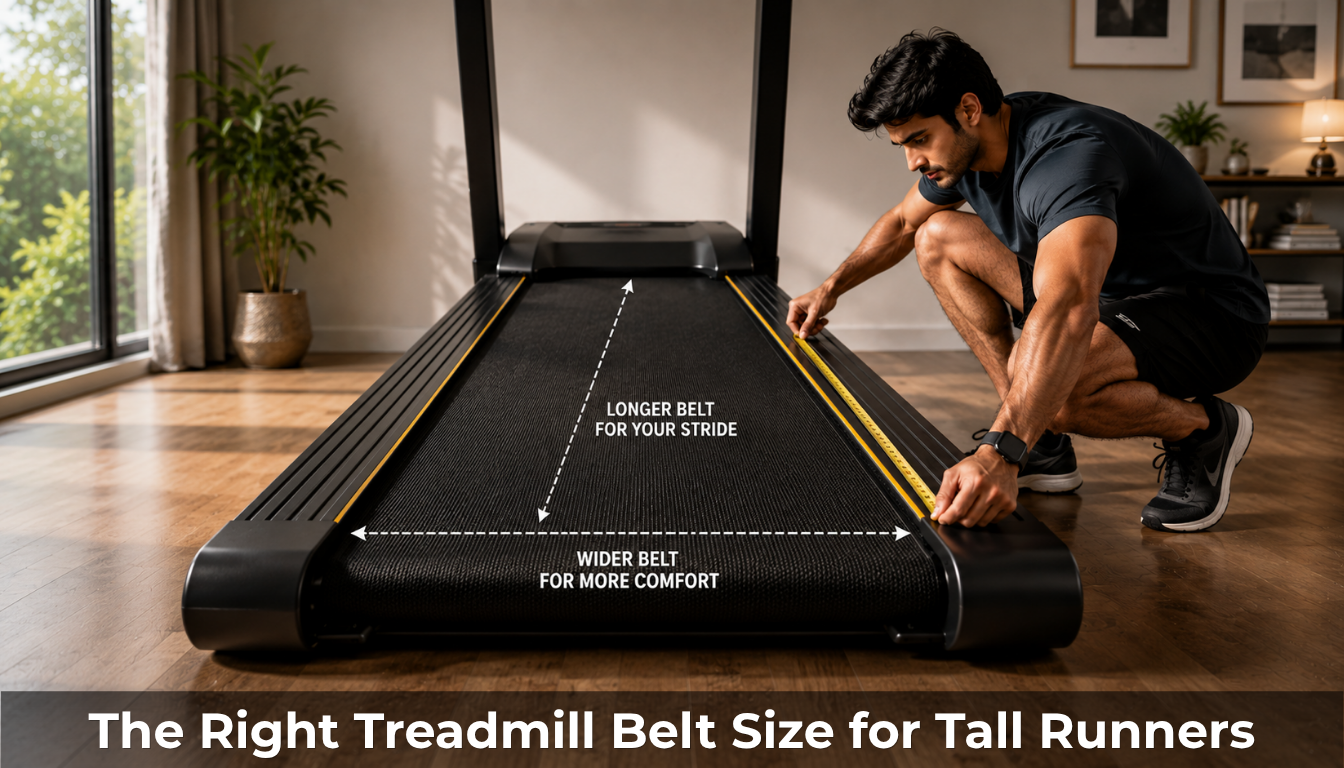
If you’re tall and planning to run regularly, treadmill belt size for running is one specification you shouldn’t overlook. A treadmill can have a powerful motor, impressive speed and plenty of features, but if the running surface is too short, your stride can start feeling cramped. So, how much belt space do tall runners actually need?
So, How Long Should a Treadmill Belt Be?
For most runners, 55-60 inches of belt length is a sensible range. If you’re tall, particularly above 6 feet, we’d recommend looking towards 60 inches or more where possible.
| Runner | Belt Length to Consider |
| Walking & light jogging | 50-55 inches |
| Regular running | 55-60 inches |
| Tall runners | 60+ inches |
| Tall + fast runners | 62–65+ inches |
Of course, height isn’t everything. Your stride length and running speed matter just as much. A tall runner with a shorter stride may be comfortable on a smaller deck, while someone with a naturally long stride may need more space.
Why Does Belt Length Matter?
Think about running outdoors. You aren’t restricted to a small surface, so your stride can happen naturally. On a treadmill, you’re working within the length of the belt. If it’s too short, you may find yourself constantly adjusting your stride or worrying about getting too close to the front or back. Our take: If running is your main workout, having some extra belt length is better than buying a treadmill that feels cramped.
What About Belt Width?
Don’t look at length alone. For running, around 20 inches of width is a comfortable target for many users. If you prefer more room or regularly run at higher speeds, a 22-inch-plus belt can feel even better. This is particularly noticeable when comparing compact treadmills with larger running machines.
What About PowerMax Home-Use Treadmills?
If you’re looking for a Treadmill For Home, PowerMax has several home-use models at different sizes and price points. But we’d still recommend checking the actual running surface before getting distracted by features. The PowerMax TDA-125 offers a 51.1 × 18.1-inch running surface, making it a practical home-use option for walking, jogging and moderate running. However, if you’re particularly tall with a long stride, we’d still prefer a longer deck closer to the 60-inch mark. The PowerMax UrbanTrek TD-A1 is a more compact option, with a 47.6 × 16.1-inch running surface and a 6.0 HP peak BLDC motor. It’s worth considering if space is a priority, but we’d be more cautious about recommending it to a very tall runner looking for frequent, fast running. That’s the important part: a powerful motor doesn’t compensate for a running surface that’s too small for your stride.
What Else Should Tall Runners Check?
Belt size is important, but it isn’t the whole story. Before choosing your treadmill, check the motor, maximum speed, cushioning, user-weight capacity, incline and frame stability. These factors become increasingly important if you’re planning frequent running rather than occasional jogging. And don’t assume that a treadmill with the highest specifications is automatically the Best Treadmill for you. Your workout style should determine what you actually need.
The Bottom Line
When it comes to treadmill belt size for running, 60 inches is a great target for many tall runners. If you’re above 6’3″, have a long stride or regularly run at higher speeds, we’d look towards 62-65 inches if your space and budget allow. The simplest rule? Buy for your stride, not just your height.
FAQs
Is a 60-inch treadmill good for tall runners?
Yes. A 60-inch belt provides a comfortable amount of running space for many tall runners, especially those around 6 feet and above.
Is a 55-inch treadmill enough for running?
It can work well for shorter runners and moderate-paced running. Taller runners with longer strides will generally benefit from more belt length.
What treadmill belt width is best for running?
Around 20 inches is a good starting point. Runners wanting additional lateral space may prefer 22 inches or wider.
Do tall runners need a commercial treadmill?
Not necessarily. A suitable home-use treadmill can work perfectly well, provided its running surface matches your stride and workout intensity.
Categories
Tags
Recent Posts
Why Some Home Treadmills Need a Break After 30 Minutes
September 16, 2026
The Hidden Cost of Buying a Cheap Treadmill
August 11, 2026
Best Treadmills for Monsoon Training in India
July 30, 2026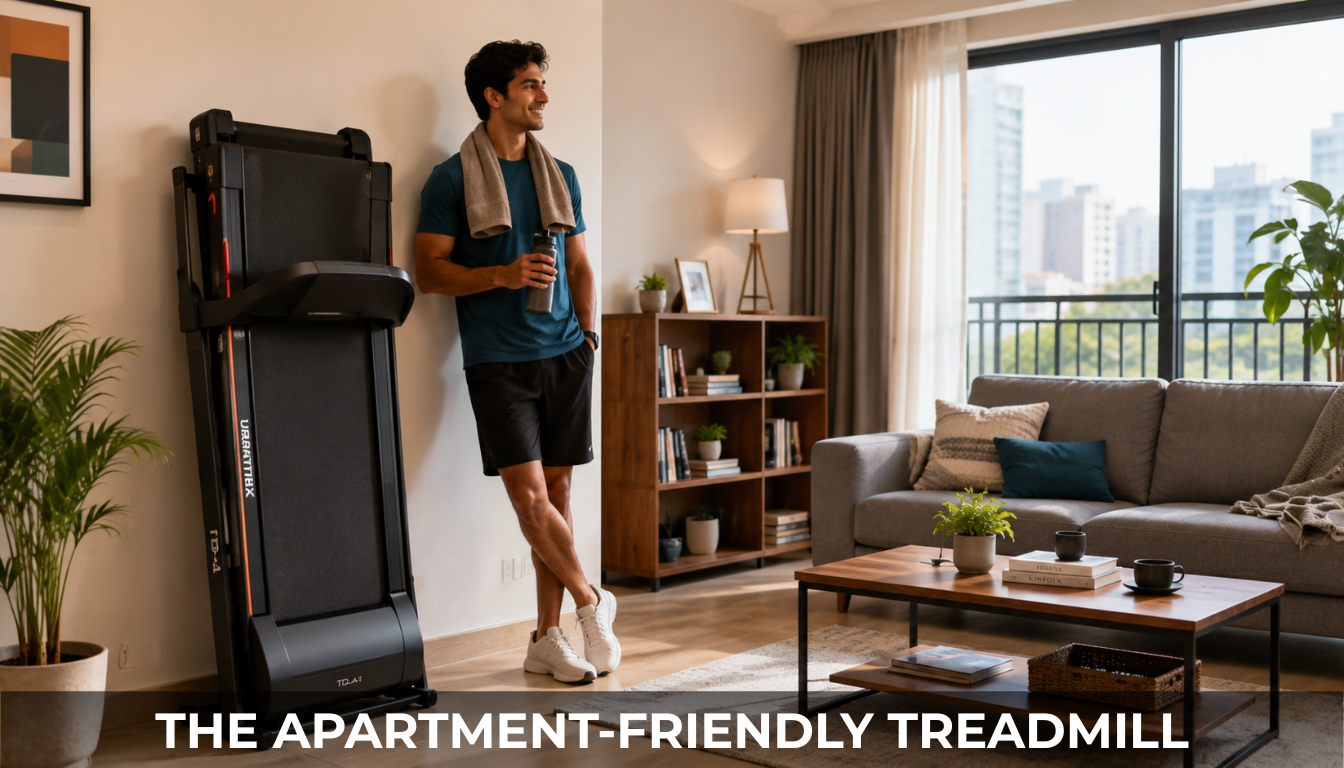
Are Foldable Treadmills Worth It for Small Apartments?
June 30, 2026