
Why Some Treadmills Become Noisy After Three Months
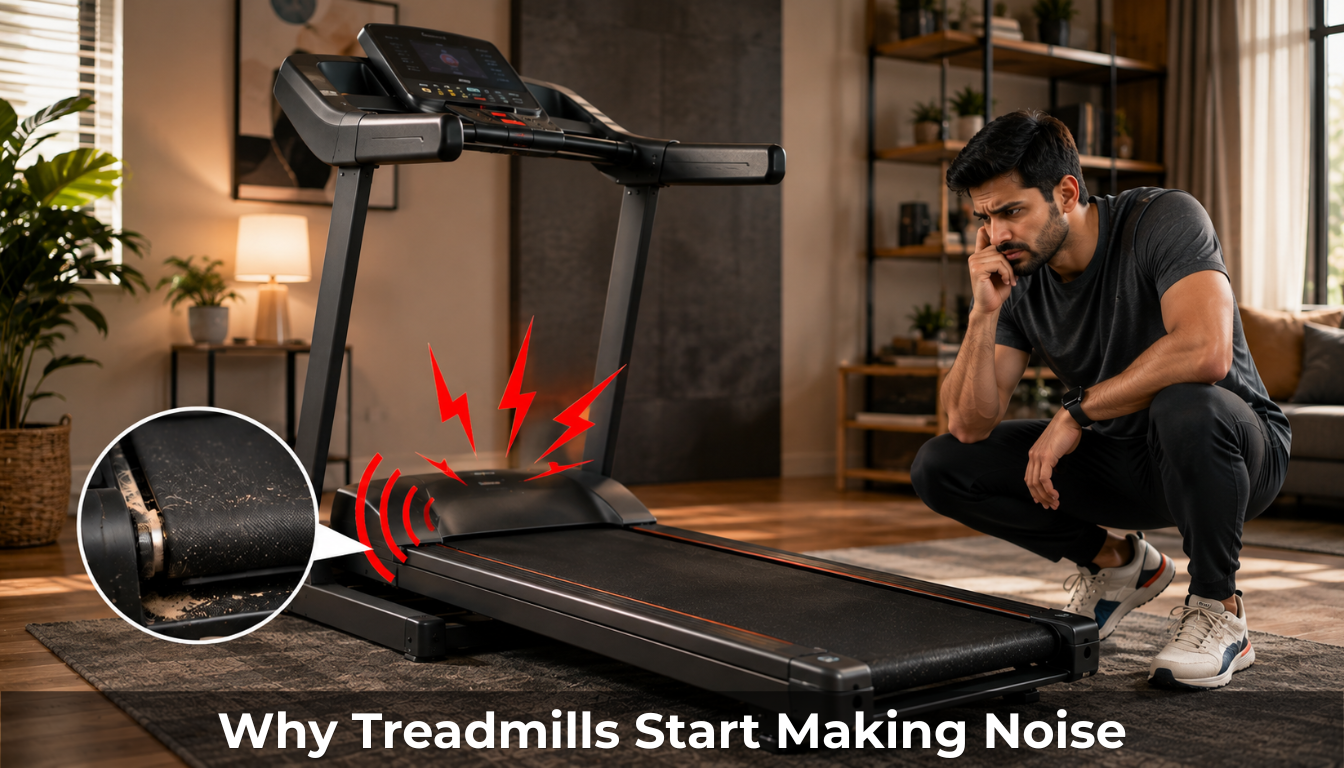
When you buy a new treadmill, one of the first things you notice is how quiet it is. The belt glides smoothly, the motor hums softly in the background, and every workout feels effortless. Fast forward three months, though, and things can change. Suddenly, there’s a squeaking sound every few steps. The belt starts making a rubbing noise, or you hear a knocking sound that wasn’t there before.If this sounds familiar, don’t worry, you don’t necessarily need a new treadmill. In most cases, treadmill noise is a sign that your machine needs a little attention, not that it’s reached the end of its life. Understanding why it happens can help you fix the issue early and keep your treadmill for home running smoothly for years.
A Treadmill Doesn’t Stay Quiet on Its Own
Like any machine with moving parts, a treadmill machine needs regular maintenance. Every workout creates friction between the running belt and the deck. Over time, dust settles inside the machine, the belt gradually shifts out of alignment, and certain parts experience normal wear. None of this happens overnight, which is why many people notice treadmill noise after two or three months rather than after a few days. The good news? Most of these problems are easy to prevent.
Lack of Lubrication Is the Biggest Culprit
If there’s one maintenance task that treadmill owners often forget, it’s lubrication. The running belt constantly moves over the deck, and without enough lubricant, friction increases. As that happens, the treadmill works harder than it should, which can lead to squeaking sounds, increased motor strain, and a rougher workout. Following the manufacturer’s lubrication schedule is one of the easiest ways to keep your motorized treadmill running quietly. Think of it like servicing a car. Ignore maintenance for long enough, and small issues eventually become expensive ones.
Dust Builds Up Faster Than You Think
Even if your home looks clean, dust has a habit of finding its way inside exercise equipment. It settles around the motor compartment, rollers, and moving parts. Over time, this can affect how smoothly the treadmill operates and sometimes create unusual sounds during workouts. A quick clean every few weeks can go a long way. Wiping down the belt, vacuuming around the treadmill, and keeping the surrounding area clean helps reduce unnecessary wear. It’s one of those small jobs that most people don’t think about, until the treadmill starts making noise.
Belt Alignment Matters More Than People Realise
Have you ever noticed the running belt drifting slightly to one side? It might seem harmless, but even a small misalignment can cause the belt to rub against the frame or rollers, creating rubbing or scraping sounds. A properly aligned home use treadmill not only runs more quietly but also feels smoother under your feet. If the belt starts drifting, it’s worth adjusting it sooner rather than waiting for the noise to get worse.
Not Every Noise Means Something Is Broken
This is probably the biggest misconception. Many first-time buyers assume any new sound means their treadmill is failing. That’s rarely the case. A light squeak may simply mean the belt needs lubrication. A rhythmic rubbing sound could point to belt alignment. Even a slight clicking noise can sometimes come from a loose bolt rather than a faulty motor. The important thing is not to ignore new sounds. Small maintenance issues are much easier and cheaper to fix than major repairs.
Does Build Quality Make a Difference?
Absolutely. A well-built treadmill is generally quieter because its frame is more stable, the motor is designed for continuous use, and the internal components are engineered to handle regular workouts. This is one reason why comparing treadmills for home shouldn’t be based on price alone. Brands like Fitkit, Lifelong, Cultsport, Durafit, and Cockatoo all offer models in different price ranges, but factors like motor quality, deck construction, cushioning, and after-sales support often have a much bigger impact on the overall experience. If you’re looking for a treadmill for home that’s designed for long-term performance, the PowerMax Fitness Treadmill Collection offers models with durable construction, quality motors, and features built for regular daily use.
A Little Maintenance Goes a Long Way
The quietest treadmills aren’t always the newest ones. They’re usually the ones that are looked after. Cleaning the machine, keeping the belt properly lubricated, checking alignment occasionally, and tightening loose bolts only takes a few minutes, but those small habits can make a noticeable difference in how your treadmill performs over time.
Final Thoughts
If your treadmill noise has started becoming more noticeable after a few months, don’t panic. In most cases, the problem isn’t serious. It’s simply your treadmill asking for a little maintenance. Looking after your home fitness equipment doesn’t just make workouts quieter, it also helps extend the life of the machine and keeps every run or walk feeling as smooth as the day you bought it.
Categories
Tags
Recent Posts
Why Some Home Treadmills Need a Break After 30 Minutes
September 16, 2026
Does 15-Level Incline Mean a 15% Incline?
September 11, 2026
What Treadmill Belt Size Do Tall Runners Actually Need?
August 31, 2026
The Hidden Cost of Buying a Cheap Treadmill
August 11, 2026